
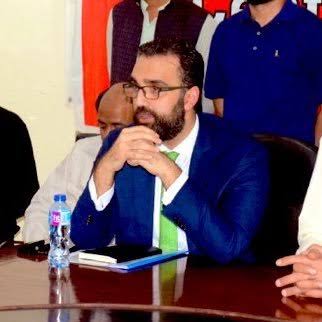
Umar Rehman Malik Calls for Urgent Action on Tharparkar Drought and Crop Losses
Pakistan Peoples Party Leader Umar Rehman Malik has expressed serious concern over reports that 85 to 90 per cent of cultivated crops in Tharparkar have been destroyed or rendered unproductive, warning that the situation poses a grave threat to food security, rural livelihoods and the wellbeing of vulnerable communities. He said the scale of the reported losses highlighted the challenges facing communities in arid regions, where agriculture depends heavily on seasonal rainfall and water availability.
Referring to the latest briefing presented to the Sindh government, Umar Rehman Malik noted that rainfall across Tharparkar’s seven talukas ranged from 181 to 273 millimetres during the 2026 monsoon season, while September rainfall was particularly low, ranging from just 1 to 36 millimetres. He said the uneven distribution of rainfall had severely affected crop growth, leaving many farmers facing significant losses.
Umar Rehman Malik observed that the consequences of prolonged drought extend far beyond agriculture. Crop failures can lead to fodder shortages, declining livestock productivity, loss of household income and worsening food insecurity. Poorer households, with fewer resources to withstand repeated environmental shocks, are particularly vulnerable. Highlighting the additional risks associated with the strengthening El Niño phenomenon and increasingly uncertain weather patterns, he stressed the importance of moving beyond emergency relief towards sustained drought preparedness and climate resilience.
He called for greater investment in reliable water infrastructure, rainwater harvesting, sustainable groundwater management, effective early warning systems and the wider adoption of drought resistant crop varieties. He also emphasised the need for timely financial assistance, quality seeds and livestock support for affected farmers.
Welcoming the announcement of emergency relief measures by the Sindh government, including efforts to restore water facilities and protect livestock, Umar Rehman Malik stressed that implementation, coordination and sustained investment would be essential to achieving lasting results.
He said government institutions, meteorological authorities and local administrations must work together to ensure that early warnings translate into practical preparedness and timely assistance for vulnerable communities.
“Droughts may be inevitable, but humanitarian disasters are not. Preparedness and timely action can save livelihoods and protect vulnerable communities,” he said.