
Millennium Education brings together 170 academic leaders for MQCAP 2026
Islamabad: The Millennium Education Group (TME) has brought together 170 academic leaders from across Pakistan for its annual flagship Millennium Qualification, Curriculum and Assessment Programme (MQCAP) 2026, providing a platform to strengthen educational leadership, promote innovation and enhance teaching and learning standards.
Held at Future World School, DHA Phase 5, Islamabad, under the theme “ELEVATE – Leadership for Impact,” the event brought together principals, school heads and academic coordinators from the group’s nationwide network for a day of professional development, strategic discussions and collaborative learning.
Organised by the Millennium Institute of Professional Development (MIPD), a dedicated professional development arm of TME, MQCAP serves as a strategic initiative to advance academic excellence, curriculum development, assessment practices, educational technology and institutional capacity building.
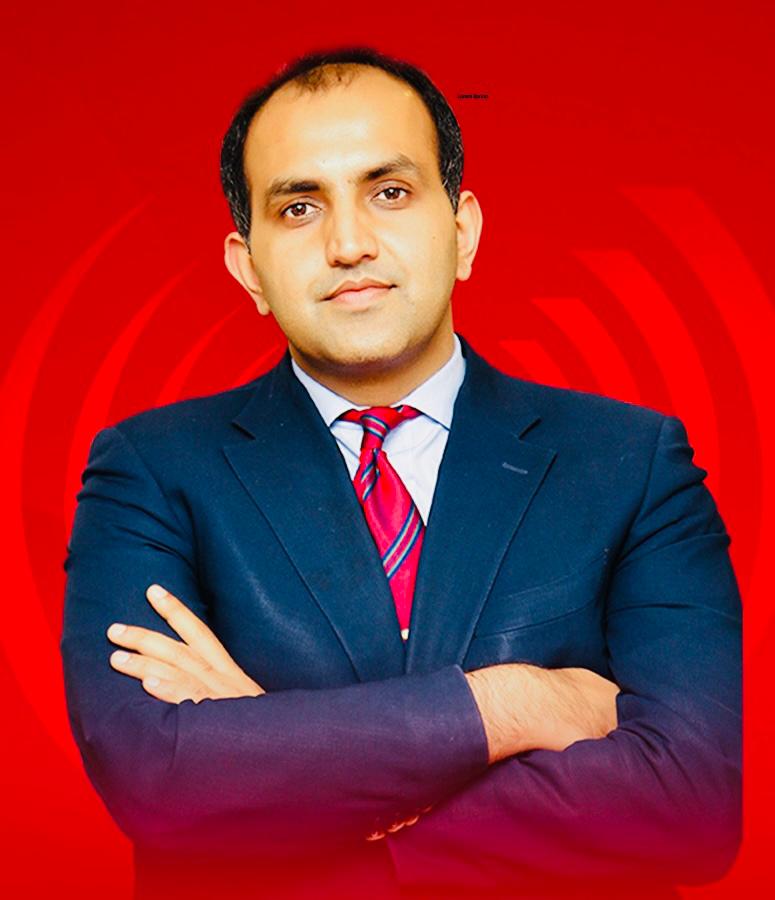
The programme reflects the vision of Dr Faisal Mushtaq, Chairman and CEO of The Millennium Education Group, whose commitment to educational excellence, innovation and future-ready learning continues to shape the organisation’s educational philosophy. His vision places particular emphasis on empowering academic leaders, promoting professional accountability and fostering a culture of continuous improvement across educational institutions.
Conducted under the academic direction of Ms Amna Salik, MQCAP 2026 provided participants with opportunities to exchange ideas, examine emerging educational trends and explore practical approaches to translating institutional vision into meaningful improvements in classrooms and schools.
Strengthening academic leadership and educational quality
A key focus of the programme was strengthening academic leadership through effective curriculum planning, learner-centred teaching methodologies, differentiated instruction and measurable learning outcomes.
Participants discussed strategies to improve instructional effectiveness, encourage professional collaboration and maintain consistent academic standards across TME institutions nationwide. The sessions also highlighted the importance of effective school leadership in creating supportive learning environments, improving classroom practices and ensuring that educational objectives translate into tangible student achievement.
Advancing assessment and evidence-based improvement
The programme placed significant emphasis on diagnostic, formative and summative assessment, academic quality assurance, constructive feedback and evidence-informed decision-making.
Discussions underscored that assessment should go beyond measuring students’ academic performance and serve as an effective instrument for identifying learning gaps, evaluating teaching strategies and addressing individual educational needs.
Participants explored how systematic assessment practices and the effective use of academic data could help teachers make informed instructional decisions, monitor students’ progress and improve overall learning outcomes.
Promoting educational technology and digital learning
Recognising the growing importance of technology in modern education, MQCAP 2026 also examined the integration of digital learning platforms, Google for Education tools and innovative technology-based teaching approaches.
The sessions highlighted the need to align digital transformation with sound pedagogical objectives, ensuring that technology meaningfully enhances student engagement, creativity, collaboration and inclusive learning rather than serving merely as an additional classroom resource.
Participants discussed emerging opportunities to use digital tools to enrich teaching practices, expand access to learning resources and equip students with the skills required to succeed in an increasingly technology-driven world.
Investing in professional development and institutional growth
Professional development remained another central pillar of the programme, with discussions covering internationally recognised professional qualifications, mentoring, reflective teaching practices and collaborative learning communities.
Academic leaders examined how sustained investment in teachers’ professional development and leadership competencies could strengthen institutional performance, improve classroom delivery and contribute to better student outcomes.
The programme also reinforced the importance of creating a culture in which educators continuously refine their skills, share best practices and adapt to evolving educational requirements.
Reflecting its theme, “ELEVATE – Leadership for Impact,” MQCAP 2026 encouraged participants to move beyond professional learning towards practical and measurable action. Through interactive sessions, guided reflection and collaborative discussions, academic leaders identified priorities for improving teaching methodologies, assessment systems, professional collaboration and institutional performance within their respective schools.
Through MQCAP and its continued investment in professional development and academic leadership, The Millennium Education Group reaffirmed its commitment to building progressive, inclusive and future-ready learning environments.
The initiative aims to strengthen educational institutions, empower teachers and academic leaders, and prepare students to meet the opportunities and challenges of a rapidly changing world.