
Newswire
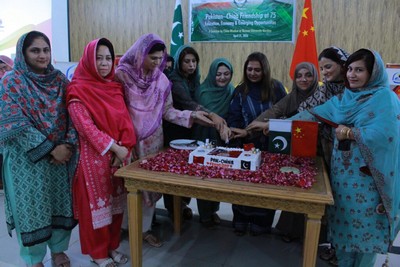
Lahore: Deepening educational cooperation between Pakistan and China will play a pivotal role in building a highly skilled workforce, modernizing agriculture and strengthening Pakistan’s position in the global knowledge economy, Pakistan China Joint Chamber of Commerce and Industry (PCJCCI) Commercial Ambassador Adeel Munawar said this week.
He said investment in education, vocational training, scientific research and innovation has become the foundation of sustainable economic growth, adding that closer academic collaboration with China would enable Pakistan to harness its demographic potential while accelerating technological advancement across key sectors.
Highlighting Pakistan’s youthful population, Adeel Munawar said more than 60 percent of the country’s citizens are under the age of 30, making investment in higher education, technical training and professional skills one of Pakistan’s greatest economic opportunities. He stressed that equipping young people with modern knowledge and industry-oriented expertise would strengthen national productivity and support long-term economic development.
He said agriculture, which contributes around 22 percent to Pakistan’s gross domestic product and employs nearly one-third of the national workforce, stands to benefit significantly from expanded cooperation with China. According to him, technology transfer, scientific research and modern agricultural education are essential for improving productivity, ensuring food security, boosting exports and raising rural incomes.
Referring to the growing agricultural partnership between Islamabad and Beijing, Adeel Munawar noted that Prime Minister Shehbaz Sharif’s recent engagements with the Chinese leadership resulted in several important agreements aimed at expanding bilateral cooperation in the sector. These include protocols on inspection, quarantine and sanitary requirements for dried fruits and nuts, phytosanitary requirements for maize exports, a memorandum of understanding on strengthening agricultural development cooperation, and a letter of exchange on animal vaccines.
He said these agreements reflect both countries’ shared commitment to modernizing Pakistan’s agricultural sector through scientific collaboration, improved standards and enhanced market access.
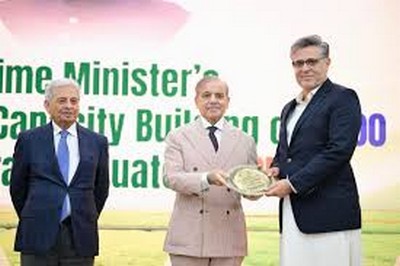
The PCJCCI official further highlighted that Pakistan and China have already begun translating these commitments into practical initiatives. Under the Prime Minister’s capacity-building programme, 1,000 young Pakistani agricultural graduates are receiving specialized training at leading Chinese universities and research institutions.
He said the programme covers cutting-edge disciplines including biotechnology, agricultural mechanization, climate-smart farming, artificial intelligence, precision irrigation systems and seed development. The graduates are expected to bring advanced expertise back to Pakistan, helping introduce modern farming techniques, innovative research practices and technology-driven agricultural solutions across the country.
Adeel Munawar said broader academic cooperation between Pakistan and China would also promote joint scientific research, faculty exchanges, technology commercialization, digital education platforms and innovation-led entrepreneurship. Aligning university curricula with evolving industry requirements, he added, would equip graduates with market-driven skills, narrow the gap between education and employment and strengthen Pakistan’s industrial competitiveness and export potential.
He also emphasized the importance of digital transformation in the education sector, saying the integration of artificial intelligence, smart classrooms, precision agriculture technologies and advanced vocational training into academic institutions would prepare Pakistani youth for emerging industries while increasing productivity in agriculture, manufacturing and technology.
Adeel Munawar described Pakistan-China educational cooperation as a strategic investment in human capital rather than merely an academic partnership.
He said expanding collaboration in education, research and technological innovation would enhance workforce productivity, accelerate sustainable agricultural development and further reinforce the enduring Pakistan-China All-Weather Strategic Cooperative Partnership, creating new opportunities for long-term economic growth and shared prosperity.