
Abdullah Jan
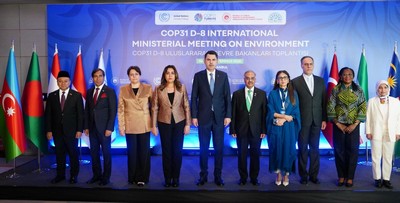
Islamabad: Environment ministers and senior representatives from the nine member states of the Developing Eight (D-8) Organization for Economic Cooperation this week unanimously adopted the Istanbul Declaration, committing to closer collaboration on climate action and sustainable development ahead of the 31st United Nations Climate Change Conference (COP31), scheduled to be held in Antalya, Türkiye, from November 9 to 20.
The declaration was adopted during the first-ever D-8 Ministerial Meeting on Environment, hosted in Istanbul under the theme “Preparing for COP31: Advancing Climate Implementation through International Cooperation.” The landmark gathering marked the first ministerial-level platform in the history of the D-8 dedicated exclusively to environmental protection and climate change.
According to an official statement, the ministers agreed to begin work on a D-8 Adaptation Action Framework for 2026-2030, aimed at strengthening collective efforts to address the growing impacts of climate change across member states. The framework is expected to guide cooperation in climate adaptation, resilience-building and sustainable development over the coming years.
The participating countries also pledged to deepen collaboration on climate resilience, climate finance, technology transfer, capacity building and the implementation of practical measures to help developing economies respond more effectively to environmental challenges.
The meeting was chaired by Türkiye’s Minister of Environment, Urbanization and Climate Change, Murat Kurum, who also serves as the President-designate of COP31. Addressing the ministerial session, Kurum emphasized the strategic importance of the D-8 grouping in advancing global climate action, noting that its member countries represent a significant share of the world’s population, economic potential and geographical diversity.
He outlined the priorities of the forthcoming COP31 presidency, stressing that stronger cooperation among D-8 nations would help accelerate climate implementation while ensuring that the perspectives and priorities of developing countries are more effectively represented in international climate negotiations.
Participants underscored that closer coordination among D-8 member states would enhance their collective ability to mobilize financial resources, promote environmentally sustainable technologies and exchange expertise in climate adaptation and mitigation.
The adoption of the Istanbul Declaration reflects the growing recognition among D-8 countries that coordinated regional and international cooperation will be essential to addressing the escalating impacts of climate change, including extreme weather events, food and water insecurity, biodiversity loss and rising development challenges.
The meeting concluded with a shared commitment to translate the declaration into concrete actions ahead of COP31, reinforcing the D-8’s role as a platform for promoting sustainable development, environmental stewardship and stronger South-South cooperation in global climate governance.