

Celina Ali
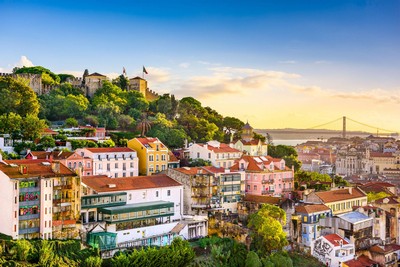
Lisbon: Portugal’s growing reputation as one of the world’s most attractive retirement destinations continues to draw increasing numbers of expatriates, particularly Americans seeking a high quality of life, affordable living costs, reliable healthcare, and welcoming communities.
While Lisbon and Porto often dominate travel brochures, many retirees are choosing smaller cities and towns where life moves at a gentler pace and where a stronger sense of community helps newcomers quickly feel at home. From historic university towns and coastal fishing communities to island capitals and wine-country cities, Portugal offers a diverse range of retirement options catering to different lifestyles and budgets.
Among the most sought-after destinations is Coimbra, a historic city situated between Lisbon and Porto. Home to one of Europe’s oldest universities, Coimbra combines rich cultural traditions with a youthful atmosphere created by its large student population. Public lectures, concerts, riverside promenades, and a lower cost of living compared with Portugal’s major cities have made it particularly attractive to retirees. The city’s strong healthcare network, supported by its renowned university hospital, further enhances its appeal.
Leiria, another increasingly popular retirement destination, offers a balance between modern amenities and small-city charm. The city boasts shopping centres, cultural venues, and quality healthcare facilities while maintaining a close-knit community atmosphere. Its proximity to the Atlantic coast and historic landmarks, including the UNESCO-listed monasteries of Alcobaça and Batalha, provides residents with easy access to both cultural and recreational opportunities.
Further south, Setúbal has gained recognition among retirees seeking an authentic coastal lifestyle. Unlike resort towns that cater primarily to tourists, Setúbal remains a thriving working port where fishing traditions continue to shape daily life. The city’s waterfront, seafood markets, and nearby Arrábida Natural Park create an appealing environment for those who enjoy outdoor activities and maritime culture. Its location near Lisbon allows residents to access the capital while avoiding its higher living costs.
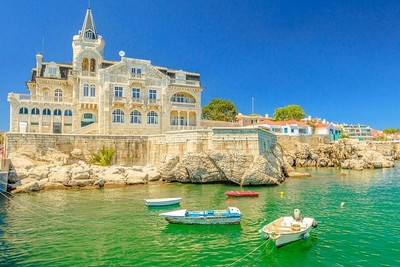
Nearby Sesimbra offers a quieter alternative, attracting retirees who value tranquility and natural beauty. Nestled along a crescent-shaped bay, the town features sandy beaches, fresh seafood, and a relaxed pace of life. The surrounding landscapes of Arrábida Natural Park and the historic Sesimbra Castle provide opportunities for recreation and sightseeing throughout the year.
In northern Portugal, Braga has emerged as one of the country’s most attractive urban retirement destinations. Often regarded as one of Portugal’s oldest and most culturally vibrant cities, Braga combines modern healthcare services, affordable housing, and an active social scene. Residents enjoy a rich calendar of festivals, religious celebrations, and cultural events, while landmarks such as Bom Jesus do Monte contribute to the city’s distinctive character.
Aveiro, often referred to as the “Venice of Portugal” because of its network of canals, is another city increasingly favored by retirees. Its flat terrain and walkable layout make daily life convenient, particularly for older residents. The city’s scenic waterways, colorful boats, historic architecture, and manageable size create a comfortable environment for those seeking a slower pace without sacrificing access to essential services.
For retirees looking for year-round mild weather, Funchal, the capital of Madeira, presents a compelling option. Located on the Atlantic island of Madeira, the city enjoys a subtropical climate, modern infrastructure, and a well-established expatriate community. Outdoor enthusiasts are particularly drawn to the island’s famous levada walking trails, botanical gardens, and opportunities for whale and dolphin watching.
History enthusiasts often gravitate toward Évora, a UNESCO World Heritage city in Portugal’s Alentejo region. Surrounded by vineyards and olive groves, Évora offers a blend of Roman, medieval, and Renaissance heritage. Its compact size and strong sense of community enable newcomers to integrate easily into local life while enjoying the region’s renowned cuisine and wine culture.
Viseu, frequently cited among Portugal’s safest and greenest cities, continues to attract retirees seeking affordability and quality of life. Known for its parks, cleanliness, and traditional atmosphere, the city offers comparatively affordable housing and dependable healthcare services. Its location provides easy access to larger urban centres while preserving a distinctly local character.
Although generally more expensive than many other retirement destinations in Portugal, Porto remains a popular choice for those unwilling to compromise on urban amenities. Portugal’s second-largest city offers world-class healthcare, cultural institutions, restaurants, and entertainment while retaining a more relaxed atmosphere than many European metropolitan centres. The city’s historic riverside districts, famous port wine cellars, and vibrant arts scene continue to attract retirees seeking a dynamic urban lifestyle.
Experts note that Portugal’s enduring appeal lies not only in its climate and affordability but also in the strong sense of community found across the country. For many retirees, the attraction extends beyond scenic landscapes and historic architecture to the opportunity to build meaningful social connections and enjoy a slower, more fulfilling way of life.
As international retirement migration continues to grow, Portugal’s diverse cities and towns are increasingly positioning themselves as ideal destinations for those seeking comfort, security, cultural richness, and a welcoming place to call home.

hcthwx