
Berlin: Germany this week firmly rejected Russian allegations that it is secretly conducting research on nuclear weapons, describing the claims as part of a broader disinformation campaign designed to sow division among Western allies and influence domestic political developments.
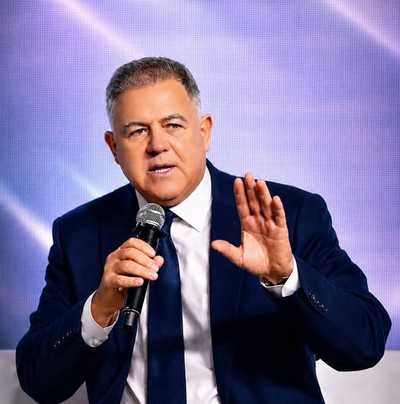
Speaking at a government press briefing on Wednesday, Deputy Government Spokesman Steffen Meyer dismissed the accusations, saying Berlin viewed them as “part of the usual Russian propaganda.”
The allegations reportedly emerged through Russian intelligence-linked channels on messaging platforms, claiming that Germany was engaged in covert nuclear weapons research.
Meyer categorically denied the accusations, emphasizing that Germany has no intention of developing a national nuclear weapons programme.
He argued that Moscow was seeking to exploit public concerns surrounding nuclear security through misinformation, despite having itself contributed to heightened tensions through repeated nuclear rhetoric during the ongoing confrontation with the West.
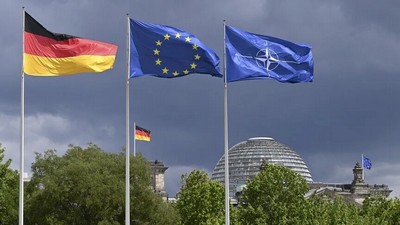
According to the German government, the campaign serves several strategic objectives. Meyer said Russia was attempting to create divisions within NATO and the European Union, undermine Germany’s position as one of Ukraine’s strongest supporters, and fuel public fears about a renewed nuclear arms race in Europe.
He also suggested that the timing of the allegations was significant, linking the disinformation campaign to Germany’s domestic political landscape ahead of important regional elections.
“The fact that Germany is being specifically targeted by this type of misinformation is likely connected to the current political situation in the country before the elections,” Meyer said.
German officials have repeatedly warned of growing foreign disinformation campaigns aimed at influencing public opinion, eroding trust in democratic institutions and weakening support for Berlin’s policies on European security and assistance to Ukraine.
The latest exchange comes amid continued tensions between Russia and Western governments over the war in Ukraine, NATO’s expanding defence posture and broader geopolitical competition across Europe.
Germany remains a non-nuclear-weapon state under international agreements and has consistently maintained that it does not seek to develop an independent nuclear arsenal, reaffirming its longstanding commitment to nuclear non-proliferation and collective security within the NATO alliance.
Berlin’s latest response underscores its determination to counter what it describes as coordinated misinformation efforts while reaffirming its support for Ukraine and its commitment to existing international arms control and non-proliferation frameworks.