
Abdullah Jan
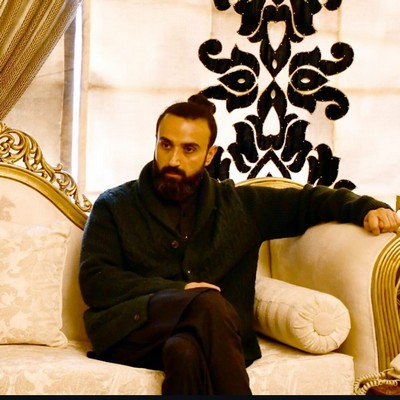
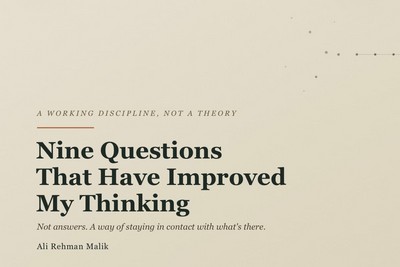
Islamabad: In an era dominated by instant opinions, endless information and rapid-fire debates, writer Ali Rehman Malik argues that the quality of our thinking depends less on having the right answers and more on asking the right questions.
In a reflective essay titled “Nine Questions That Have Improved My Thinking,” Malik presents what he describes as a practical discipline rather than a philosophical theory—a framework designed to sharpen judgment, encourage intellectual humility and improve decision-making across politics, institutions, organisations and everyday life.
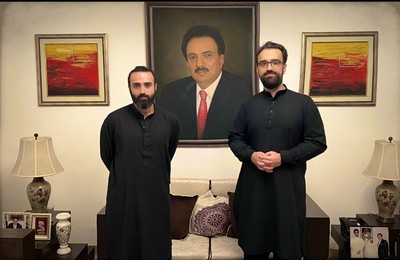
Rather than treating answers as permanent truths, Malik suggests that they are often shaped by circumstances, history and context. Questions, by contrast, possess a broader value because they remain relevant across changing situations and can continually test assumptions against reality.
At the heart of his approach is a call to distinguish observation from interpretation. He urges readers to begin by asking, “What am I actually observing?” before assigning meaning to events, arguing that careful observation forms the foundation of sound reasoning.
Another key principle is intellectual precision. Before accepting or rejecting an argument, he advises identifying exactly what is being claimed. Many disagreements, he suggests, stem not from conflicting views but from people responding to different versions of the same argument.
Malik also encourages readers to examine the scope of broad assertions by asking who they apply to and by what standard they should be measured. Defining the relevant audience and criteria, he argues, often transforms vague statements into more meaningful analysis.
Moving beyond surface-level explanations, he advocates looking for the mechanisms that produce visible outcomes. Instead of focusing solely on symptoms, thoughtful inquiry should seek to understand the underlying processes that shape institutions, movements, identities and social trends.
Another recurring theme is the distinction between evidence and representation. Narratives, historical analogies, symbols and conceptual frameworks can help explain reality, Malik writes, but they should never be mistaken for reality itself.
His framework also emphasises intellectual openness. Conclusions should remain subject to revision as new evidence emerges, different perspectives are considered or changing circumstances provide fresh insight. This willingness to update one’s beliefs, he argues, is what prevents critical thinking from becoming rigid ideology.
Equally important is understanding function over appearance. Every institution, policy or social practice has both an official purpose and the role it performs in practice, and the two are not always identical. Recognising this distinction allows for a more realistic assessment of how systems actually operate.
Malik concludes with what he considers the most important question of all: “Am I willing to update if reality asks me to?” Without that commitment, he argues, the preceding questions lose much of their value.
The essay ends on a deliberately modest note. Malik does not present the nine questions as universal truths or personal insights deserving admiration. Their worth, he writes, lies solely in whether they help readers examine the world more carefully. If they fail to do so, they should be discarded. If they succeed, they become practical tools for clearer thinking in an increasingly complex world.