
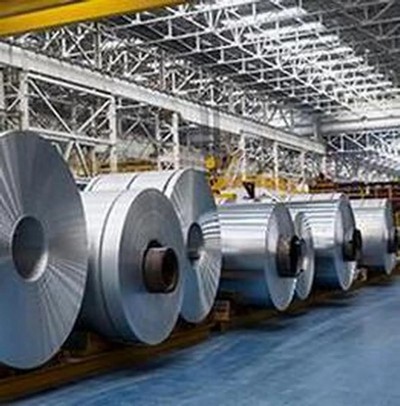
Milan: Italian steel coil buyers, importers and industrial end-users this week reacted with alarm to the European Commission’s newly unveiled import quota allocations, warning that the tougher trade regime will dramatically reshape supply chains, restrict access to imported steel and drive prices sharply higher across the European market.
Industry participants described the revised quota allocations as a “bombshell,” saying the measures are far stricter than anticipated and amount to a major shift in the European Union’s steel trade policy. Market sources believe the new framework significantly strengthens the position of European steel producers while reducing purchasing flexibility for import-dependent manufacturers.
According to buyers, the revised allocation system is highly fragmented, with several exporting countries receiving sharply reduced quotas. Australia, for example, has been allocated only 11,000 tonnes of hot-rolled coil (HRC) for the quarter—an amount buyers say is insufficient even to fill a single cargo vessel. Meanwhile, Türkiye, historically one of the EU’s largest steel suppliers, has seen its quarterly HRC quota cut dramatically from 390,000 tonnes to just 160,000 tonnes.
Industry sources also pointed to severe restrictions on Japanese exports, noting that Japan’s annual HRC allocation has been limited to 551,000 tonnes while remaining subject to anti-dumping duties of 30 percent. Buyers said the combined measures send a strong signal that the EU is tightening protection for its domestic steel industry.
Italian importers warned that the reduced quotas are likely to be exhausted within hours of becoming available, particularly by large trading houses and major European steel processors, leaving smaller buyers with little opportunity to secure imported material from Asian suppliers.
Market participants said the announcement has already triggered immediate pricing reactions. Several Asian producers reportedly increased their HRC offers to between €680 and €700 per tonne CFR shortly after the European Commission published the new quota framework, reflecting expectations of tighter market conditions.
Trading companies described the revised mechanism as highly complex and said it effectively leaves buyers with few alternatives beyond sourcing steel from European mills. While domestic producers are expected to benefit from stronger pricing power, traders cautioned that downstream industries—including manufacturers of household appliances, automotive components and other steel-intensive products—are unlikely to absorb the anticipated increase in raw material costs without significant pressure on profitability.
Industry representatives further warned that many downstream manufacturers have already been implementing production stoppages in response to weaker demand, making additional price increases particularly difficult to sustain.
Despite concerns over the long-term impact, some large buyers indicated that immediate purchasing activity is likely to remain subdued because inventories remain relatively high. Existing stockpiles are expected to meet demand until around December, meaning planned price increases for September deliveries may struggle to translate into new contracts in the near term.
However, market participants expect supply constraints to become more evident during the fourth quarter as inventories decline. European HRC prices are forecast to climb to around €750 per tonne delivered, compared with the current level of approximately €700 per tonne.
Under the European Commission’s revised framework, half of the bloc’s annual steel import quota of 18.3 million tonnes has been reserved for countries with Free Trade Agreements (FTAs), while the remaining half will remain accessible to all exporting countries, including FTA partners. As a result, FTA countries are expected to retain a comparatively larger share of access to the European market despite the overall average quota reduction of 47 percent.
The European Commission said a significant number of trading partners have provisionally accepted their allocated quotas following negotiations. It added, however, that discussions with trading partners will continue under ongoing Article XXVIII negotiations at the World Trade Organization. Adopted under the EU’s urgency procedure, the revised regulation will remain in force until the end of 2026.