

Liaquat Ali
Islamabad: Pakistan this week welcomed the recent peace agreement between the United States and Iran, describing it as an important diplomatic development that could contribute to greater stability in the Middle East and create new opportunities for advancing peace efforts in Yemen.
Addressing a meeting of the United Nations Security Council, Pakistani envoy said the agreement underscored the value of diplomacy in resolving complex regional disputes and could help generate momentum for political reconciliation in Yemen, which has been devastated by years of conflict, economic hardship and humanitarian crises.
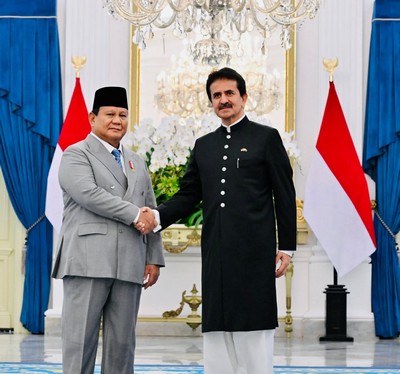
Speaking at the session, Pakistan’s Permanent Representative to the United Nations, Ambassador Asim Iftikhar Ahmad, said recent developments in the region highlighted both the dangers of escalating tensions and the benefits of sustained diplomatic engagement.
He noted that the US-Iran agreement represented a positive step toward reducing regional instability and fostering conditions more conducive to conflict resolution across the Middle East.
According to the ambassador, the agreement comes at a critical time for Yemen, where a period of relative calm has raised hopes for a comprehensive political settlement after years of warfare. While acknowledging that significant political, economic and humanitarian challenges remain, he said recent developments demonstrate that dialogue and negotiations can produce meaningful results.
Ambassador Ahmad pointed to the absence of major hostilities across key conflict zones in Yemen and the relative security of commercial shipping routes in recent months as encouraging signs of successful de-escalation efforts. He said these developments illustrate that peaceful solutions remain achievable despite the complexity of the conflict.
Pakistan called on the international community to seize the current opportunity and intensify efforts to support a negotiated political settlement in Yemen before renewed tensions or emerging crises undermine the progress achieved so far.
Emphasising the importance of an inclusive peace process, the Pakistani envoy said any durable resolution to the conflict must emerge through a United Nations-led framework that is both Yemeni-owned and Yemeni-led. He stressed that all relevant stakeholders should be included in negotiations to ensure broad-based support and long-term sustainability.
Pakistan also welcomed a recent agreement between Yemen’s internationally recognised government and the Houthi movement to exchange around 1,600 detainees and prisoners. Ambassador Ahmad described the arrangement as an important confidence-building measure that demonstrates the potential of diplomacy to deliver practical outcomes even after years of conflict.
He said humanitarian initiatives such as prisoner exchanges help build trust between opposing sides and can pave the way for wider political engagement and reconciliation efforts.
Looking beyond Yemen, Pakistan expressed hope that the positive momentum generated by the US-Iran agreement would contribute to broader regional stability. Ambassador Ahmad said reduced tensions across the Middle East could create a more favourable environment for peacebuilding, reconstruction and economic recovery in Yemen.
He stressed that the Yemeni people, after enduring years of conflict and hardship, deserve an opportunity to benefit from peace, stability and improved living conditions.
The Pakistani envoy urged members of the United Nations Security Council to maintain a unified and constructive approach toward Yemen, while continuing to support diplomatic initiatives and increasing humanitarian and economic assistance to help address the country’s ongoing challenges.